
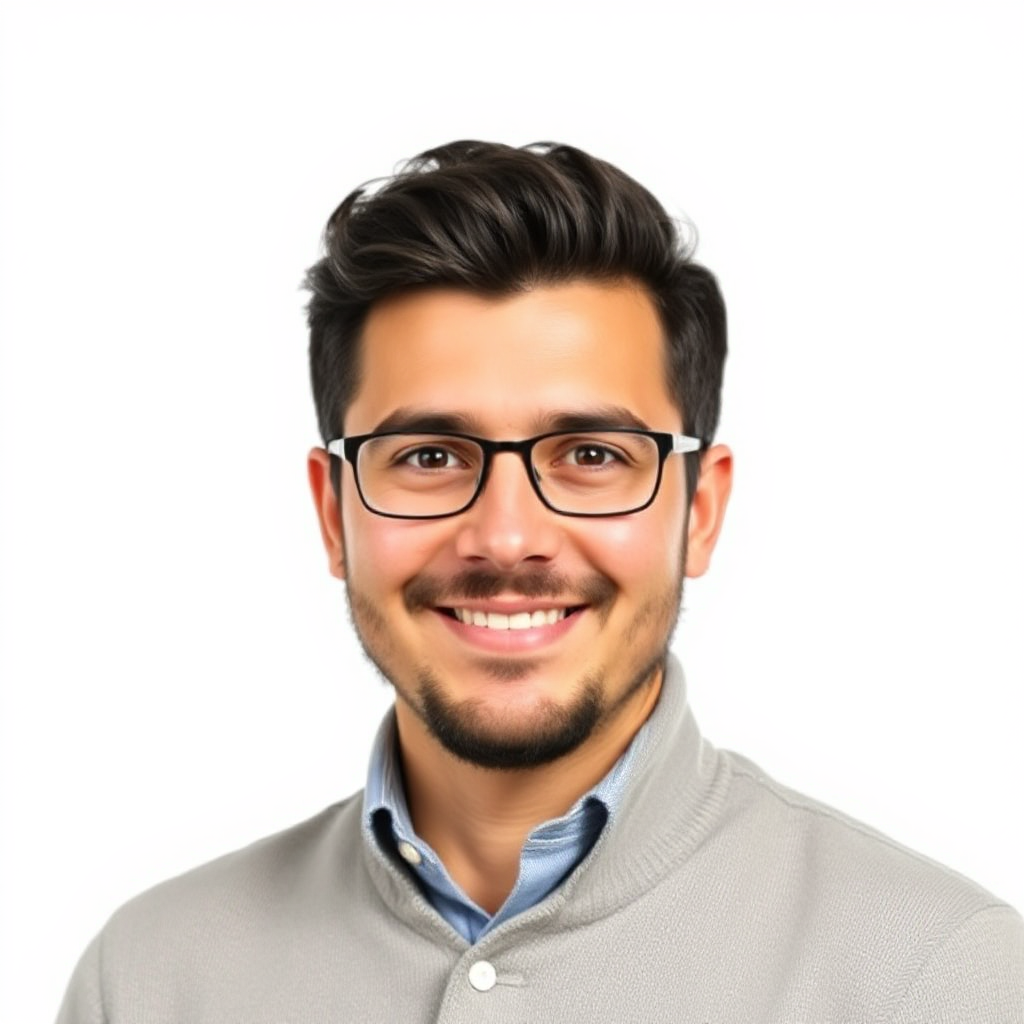

What is it like to engage in talks with Moscow's officials concerning the war in the region?
This inquiry has generated considerable curiosity in the wake of several latest sessions of ceasefire talks, which until now seemed to yield little fruit half a decade since the full-scale invasion.
A further round of US-mediated negotiations is expected to occur in Geneva in the coming days. In preparation, a key member of the Ukrainian leadership's negotiating team, the diplomat, who has been involved in the latest direct military discussions, has shared his viewpoint.
As stated by the negotiator, these interactions are professional and mostly devoid of the type of political and historical posturing observed elsewhere by Russian leadership.
"Military officials have a superior understanding of the realities in the battlefield," he remarked in a meeting on Monday morning.
"It's another thing whether they [the Russians] are able, or not, of reporting [back] accurately…free from altering or distorting the information," he continued.
It is far from an simple thing to try to halt a war. The reality of the battlefield in eastern Ukraine - where thousands of unmanned aerial vehicles operate and kill over a huge so-called "grey zone" separating the opposing forces, while 200,000 Ukrainian residents still reside in the "heavily fortified" urban areas of the Donbas - renders the technical business of separation highly complex.
"It is essential to have a precise set of guidelines and procedures," Kyslytsya said, "along with a way to confirm and monitor."
The Role of International Parties
Much of these preparations, he noted, is finished, thanks in part to the close participation of American officials, including General Alexus Grynkewich and a high-ranking Army official.
Clearly not in Kyiv's benefit to criticise envoys of the American government, but when Kyslytsya compliments the American team for its efforts, he comes across as sincere.
"We have to credit the US side for their dedication and their patience," he says, "since they sit in the meetings continuously. They not only watch…they ask questions and they heed our responses."
The negotiator was equally complimentary about the roles of Donald Trump's son-in-law, Jared Kushner, whom he described as "not a novice", and wealthy mediator the special representative, whom he characterized as "far more astute individual than the simplified portrayal often presented in the press".
The United States, Kyslytsya said, will play a critical role in monitoring any potential ceasefire, with resources including satellite and other forms of advanced monitoring.
"We need someone who will serve as adjudication, because if there is a violation there must be a third party that is solid [and] respected."

Previous and Present Oversight Challenges
During an eight-year period prior to the full-scale invasion in recent years, this oversight function was handled by the OSCE - a body whose limited means and absence of punitive powers rendered it mostly incapable of preventing an escalation.
"It was no small feat [for them] simply to have two drones airborne above the area," he said. "It's kind of the stone age period in contrast with what we have now."
By contrast, latest analyses indicate that up to 12,000 drones are active over the single city of Pokrovsk at any given moment.
A Personal Perspective on Facing the Adversary
When asked how he managed to sit across the table from delegates representing a head of state in the Kremlin who has shown readiness to sacrifice over a million-plus of his own men to conquer Ukraine, Kyslytsya, with extensive UN experience, provided his answer.
He told that he'd had a long time of experience.
"I witnessed much worse. I spent five years in New York, three of them before the full-scale invasion. I regularly had to sit in the room with the adversary on a frequent basis."
A particular night is etched in his recollection: 23 February 2022.
During an urgent Security Council session, convened to discuss the looming threat in Ukraine, the diplomat got word that his country was being assaulted.
Simultaneously, far away to the eastward in Kyiv, the first far-off explosions were heard as the total assault on the nation began.
During scenes of intense drama, Kyslytsya attempted to persuade his Russian counterpart, the Russian envoy, to call his boss, Foreign Minister Sergei Lavrov, to obtain guarantees that Russian forces would not invade.
"I've already said everything I know now," the Russian diplomat responded, as recalled by his Ukrainian colleague. "I will not disturb Minister Lavrov at this hour."
The world were transformed at that moment. The diplomat stayed at the UN for another three years prior to returning to Kyiv.
The Path Forward
Should the negotiating teams reconvene in Switzerland this week, he will participate, still working through the contours and mechanics of a halt in fighting but waiting continuously for the crucial part of the jigsaw to fall into place.
"Hostilities might be stopped by simply one call of one person to his military chief of staff," he said.
"However, the Kremlin dictator [Vladimir Putin] is not prepared for stopping the war for the time being."


